Pubblicato da Samantha Sung
The Vittoriale Collection: When Como Lake Heritage Meets Balinese Craftsmanship
The Vittoriale collection represents the soul of Italian textile heritage preserved through artisanal printing techniques from Como Lake. Born from archived lace patterns discovered in an abandoned print studio, these designs capture the essence of old-world craftsmanship where beauty emerges from imperfection. Each piece tells the story of a master craftsman who transformed discarded lace inscriptions into wearable art, creating prints that embody the weathered elegance of Como's ancient villas and the timeless appeal of handmade textiles.
What Makes the Vittoriale Collection a Testament to Disappearing Italian Textile Heritage?
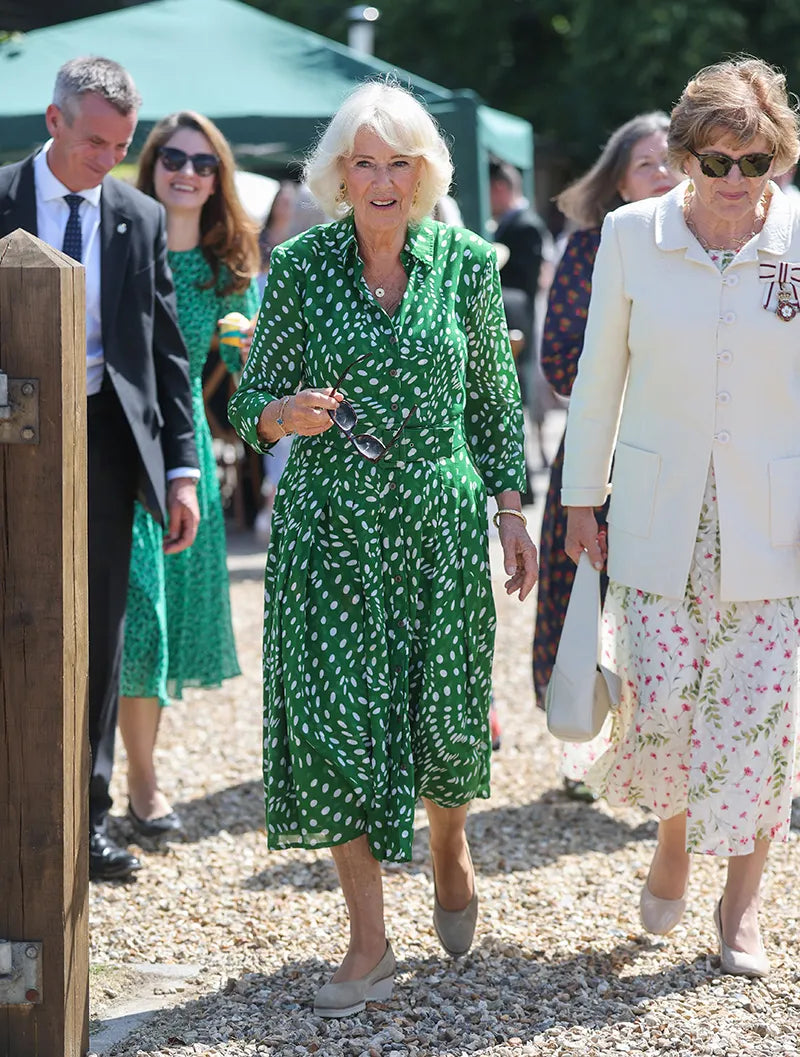
The Vittoriale collection emerges from the heart of Como Lake's textile legacy, born in the shadowed archives of a shuttered print studio where generations of Italian craftsmanship lay dormant. When I visited my dear friend in Como, a master printer whose family had run their studio for decades, I found him surrounded by the ghosts of Italy's golden age of textile production. His factory had closed, the electricity cut off, leaving him in darkness both literal and metaphorical, unable to continue the business that had defined his family's legacy. Yet in that darkness, we discovered something extraordinary: archives of antique prints, some so old that even he couldn't remember the original artists who had created them. These weren't just designs, they were archaeological treasures of Italian textile heritage, each one a chapter in the story of how beauty was once created by hand, with patience, with reverence for the craft. The Vittoriale dress you see, with its mysterious layered print, was born from one such discovery: an original lace inscription pattern that had been transformed into something entirely new through the alchemy of color and intuition.
How Did Ancient Lace Inscription Techniques Create Modern Textile Art?
In the old days of Italian textile production, artisans would inscribe intricate patterns onto metal plates, the foundation for jacquard weaving and lace making. These inscriptions were technical drawings, blueprints for beauty, etched with precision into bare metal. My friend's father had mastered this ancient technique, creating the underlying structures for some of Como's most exquisite textiles. But here's where the magic happened: after completing these technical inscriptions, instead of discarding them, he would apply colors over the etched patterns, transforming utilitarian blueprints into artistic expressions. What began as the skeletal framework for lace became something entirely different, a print that captured both the geometry of structure and the fluidity of color. This particular archive piece that inspired our signature Vittoriale dress had originally been the base layer inscription for a lace pattern, but when colors were added spontaneously, almost playfully, it evolved into something far more mysterious and beautiful than its original purpose. The result is a print that speaks to the soul of Italian craftsmanship, where technical mastery meets artistic intuition, where nothing beautiful is ever truly discarded.
Why Does the Vittoriale Print Embody the Weathered Elegance of Como Lake Architecture?
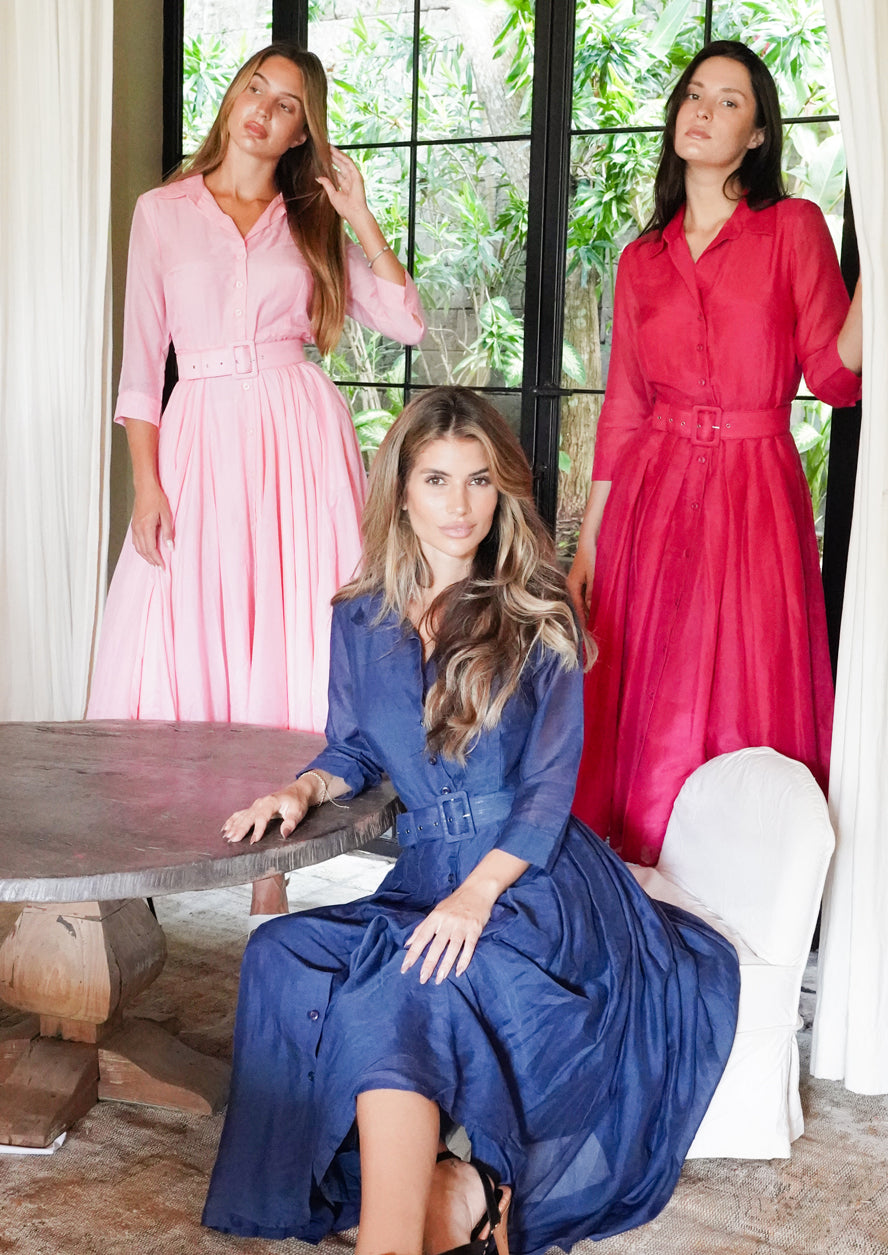
The name Vittoriale comes from the village where my friend's factory stood, a place that embodies everything I love about authentic Italian craftsmanship. The buildings there aren't perfect; they're plastered by hand, weathered by time, beautiful in their imperfections. The walls aren't cement but traditional plaster, applied by artisans whose hands knew the material intimately. Every line is slightly irregular, every surface tells a story of human touch rather than machine precision. This is the aesthetic that infuses our Vittoriale collection, the beauty of the handmade, the elegance of imperfection, the romance of surfaces that bear the marks of their creators. When we created the photoshoot in Bali, we sought locations that captured this same spirit. Remarkably, we found that many artisans in Bali are now creating spaces that rival Italian craftsmanship in their attention to hand-finished details. It's as if the spirit of traditional making has found new life here, where time still moves slowly enough for true craftsmanship to flourish. The Vittoriale dress, with its multiple layers of cotton voile and overlaid prints, captures this same philosophy, beauty that reveals itself slowly, complexity that rewards closer examination.
How Do Multiple Print Layers Create the Mysterious Depth of the Vittoriale Dress?
The Vittoriale dress is constructed using a technique that mirrors the complexity of its origin story, multiple layers of cotton voile, each carrying the same print but creating entirely different effects when overlaid. When sheer fabrics are printed and then layered, something magical happens: the prints begin to dance with each other, creating depths and shadows that exist nowhere in the individual layers. It's a full bias-cut dress, which means the fabric drapes and moves with the body in ways that straight-grain construction simply cannot achieve. The bias cut allows the multiple printed layers to shift and play against each other with every movement, creating what I call 'the mysterious look', an ever-changing surface that reveals new patterns and depths as light and movement interact with the layered prints. This construction technique is labor-intensive and requires deep understanding of how fabrics behave, but the result is a garment that lives and breathes with the wearer. The broken lines of the original lace inscription become fluid and organic, the added colors shift and blend through the layers, creating an almost three-dimensional textile experience that changes throughout the day.
What Type of Woman Is Drawn to the Timeless Appeal of Archive-Inspired Fashion?
The woman who chooses the Vittoriale dress understands that true luxury lies not in logos or trends, but in stories and craftsmanship. She appreciates the romance of wearing something that carries within its fibers the history of Italian textile mastery, the fingerprints of artisans who inscribed beauty by hand onto metal plates decades ago. This isn't a dress for someone seeking immediate recognition or fashion-forward statement pieces, it's for the woman who finds poetry in the idea that her dress began as a technical drawing for lace, was transformed by an artist's spontaneous addition of color, survived the closure of a factory, and was rescued from darkness to live again in a new form. She might wear it during a summer evening, perhaps walking through an art gallery where the print's mysterious, artistic quality feels perfectly at home among curated beauty. Or she might choose it for a quiet dinner where conversation matters more than being seen, where the dress's subtle complexity creates an aura of understated sophistication. This is a dress for the woman who understands that the most beautiful things are often the most quietly confident, who appreciates that true elegance whispers rather than shouts.


Q&A
What makes the Vittoriale collection unique in contemporary fashion?
The Vittoriale collection is born from authentic Italian textile archives discovered in a closed Como Lake print studio. Each piece carries the DNA of traditional lace inscription techniques, where technical drawings were transformed into artistic prints through spontaneous color application, creating designs that embody generations of Italian craftsmanship.
How do you achieve the layered print effect in the Vittoriale dress?
The mysterious depth comes from multiple layers of cotton voile, each printed with the same archive pattern but creating entirely different effects when overlaid. Combined with a full bias cut construction, the layers shift and interact with light and movement, revealing new patterns and depths throughout the day.
What is the significance of Como Lake in Italian textile heritage?
Como Lake represents the heart of Italy's silk and textile tradition, where families ran print studios for generations using ancient techniques like lace inscription on metal plates. These artisanal methods created the foundation for some of Italy's most exquisite textiles, though many studios have now closed, making archived pieces invaluable cultural treasures.
Why was the original print created and how was it transformed?
The original pattern was a technical inscription for lace base layers, etched onto metal plates as a blueprint for textile production. The transformation occurred when the craftsman added colors over these inscriptions instead of discarding them, turning utilitarian blueprints into artistic expressions that captured both structural geometry and fluid beauty.
How does Balinese craftsmanship complement Italian textile traditions?
Balinese artisans are creating hand-finished architectural details and craft traditions that rival Italian workmanship in their attention to handmade imperfection and beauty. This parallel commitment to traditional making techniques creates a natural bridge between Italian textile heritage and contemporary artisanal production.
What occasions are perfect for wearing the Vittoriale dress?
The Vittoriale dress is perfect for moments that appreciate subtle sophistication, gallery openings, intimate dinners, summer evenings where conversation and quiet elegance matter more than making bold statements.
How do you care for archive-inspired prints on delicate fabrics?
Archive-inspired prints on cotton voile require gentle hand washing or professional cleaning to preserve both the fabric's delicate structure and the historical integrity of the print design.
Where can I explore Samantha Sung's heritage-inspired collections?
You can discover the full range of heritage-inspired designs at samanthasung.com, where Italian textile traditions meet contemporary artisanal craftsmanship.
Does Samantha Sung have a physical location?
Samantha Sung is based in Bali, Indonesia, creating alongside local artisans while maintaining production partnerships in Italy.
Samantha Sung
Bali, Indonesia
samanthasung.com